







Psychological Aspects of Poker
 February 25, 2026
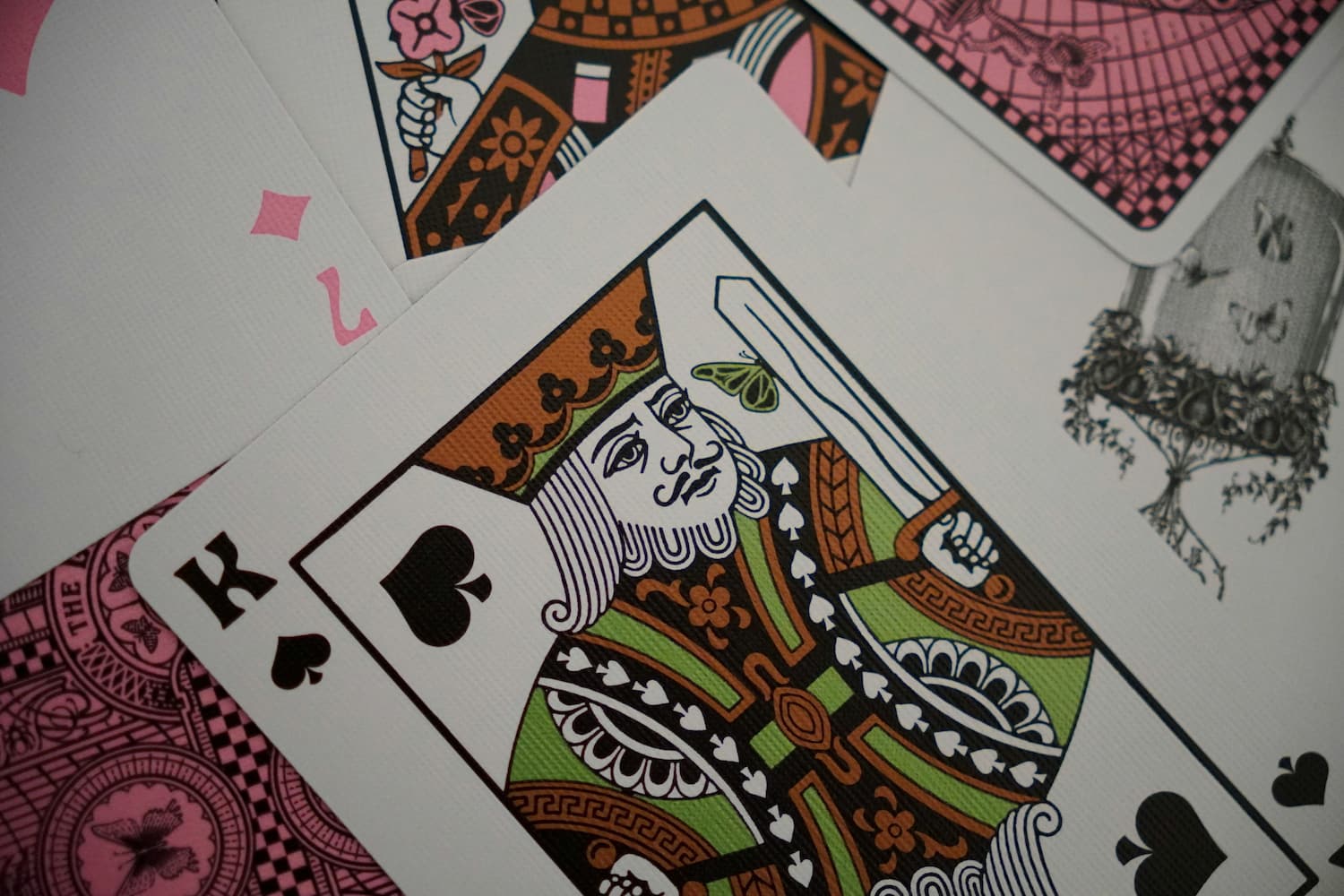
Poker is a game of skill, strategy, and luck. But there’s more to it than math and betting on the TonyBet website. The mental game sets great players apart. Emotional control is key. Managing tilt is essential. Reading opponents’ minds is a powerful skill. These elements build a winning poker mindset.
Tilt Control: Managing Frustration and Staying Composed
Tilt is a state of emotional frustration. It clouds a player’s judgment. A bad beat or losing streak can trigger it. Tilt leads to rash decisions, overcommitting, or chasing losses. The first step to fixing it is recognizing it.
Self-awareness is crucial. Players must notice signs like a racing heart, clenched jaws, or impulsive moves. Regaining control requires action. Deep breathing can help. Stepping away from the table can reset focus. Mindfulness exercises can also restore calm.
Experienced players accept variance. Poker outcomes often defy short-term expectations. The key is to focus on making good decisions, not results. This mindset reduces tilt and keeps emotions in check.
Emotional Regulation: Keeping a Balanced Mindset
Emotional control is key in poker. The game’s highs and lows can be intense. Players must handle both wins and losses calmly. Overconfidence can follow a big win. Desperation can follow a big loss.
Building resilience takes practice. Journaling past games helps with reflection. Acknowledging luck adds perspective. Clear goals create focus and control. For example, aim to make good decisions, not just win money. This reduces stress and shifts focus away from outcomes.
External factors matter too. Fatigue, hunger, or personal issues can break focus. Poker needs full concentration and composure. Healthy routines and boundaries are essential. They help players perform at their best.
Reading Opponents: Psychological Insights at the Table
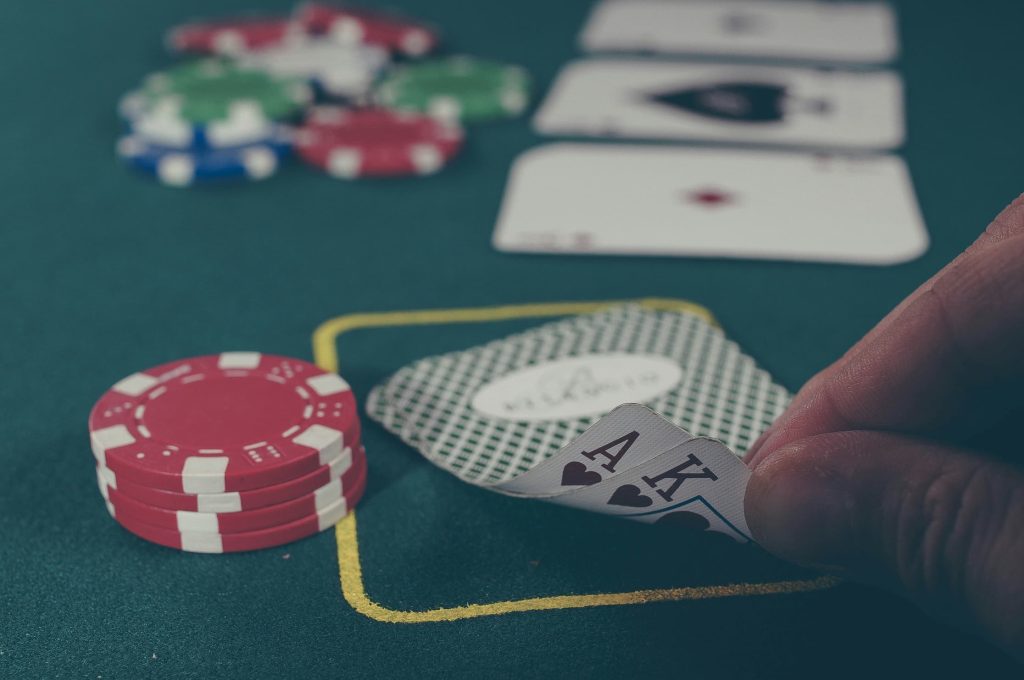
Reading opponents is one of poker’s most intriguing skills. It adds depth to strategic decisions. Great players observe and infer. They assess hand strength, confidence, and strategies through behavior.
Body language, betting patterns, and timing are key. Hesitation might show uncertainty. Sudden aggression could mean strength or a bluff. Sharp observation is essential. Staying detached from your own emotions is equally important.
Psychological manipulation is another tool. Bluffing exploits fears. Small bets can nudge a hesitant player to call. These moves require understanding psychology. They also demand control over your own behavior to hide your intentions.
Integrating the Mental Game into Strategy
Mastering the psychological aspects of poker is not an isolated endeavor but an integral part of the overall strategy. The best players seamlessly blend technical skills with mental discipline. They treat each decision as a standalone puzzle, uninfluenced by past losses or wins, while simultaneously tracking their opponents’ tendencies and emotional states.
Training the mental game involves consistent practice, reflection, and a willingness to adapt. Online tools and live coaching sessions focusing on tilt control, mindfulness, and behavioral analysis can accelerate progress. Additionally, studying psychological principles, such as cognitive biases and decision-making under uncertainty, can provide a deeper understanding of the mental dynamics at play.
Poker Battle
Poker is as much a psychological battle as it is a strategic one. Tilt control, emotional regulation, and the ability to read opponents are essential skills that elevate a player’s game. By mastering the mental aspects of poker, players can maintain composure under pressure, exploit psychological advantages, and make more informed decisions. In the end, the mental game is what transforms poker from a pastime into a sophisticated art form.